
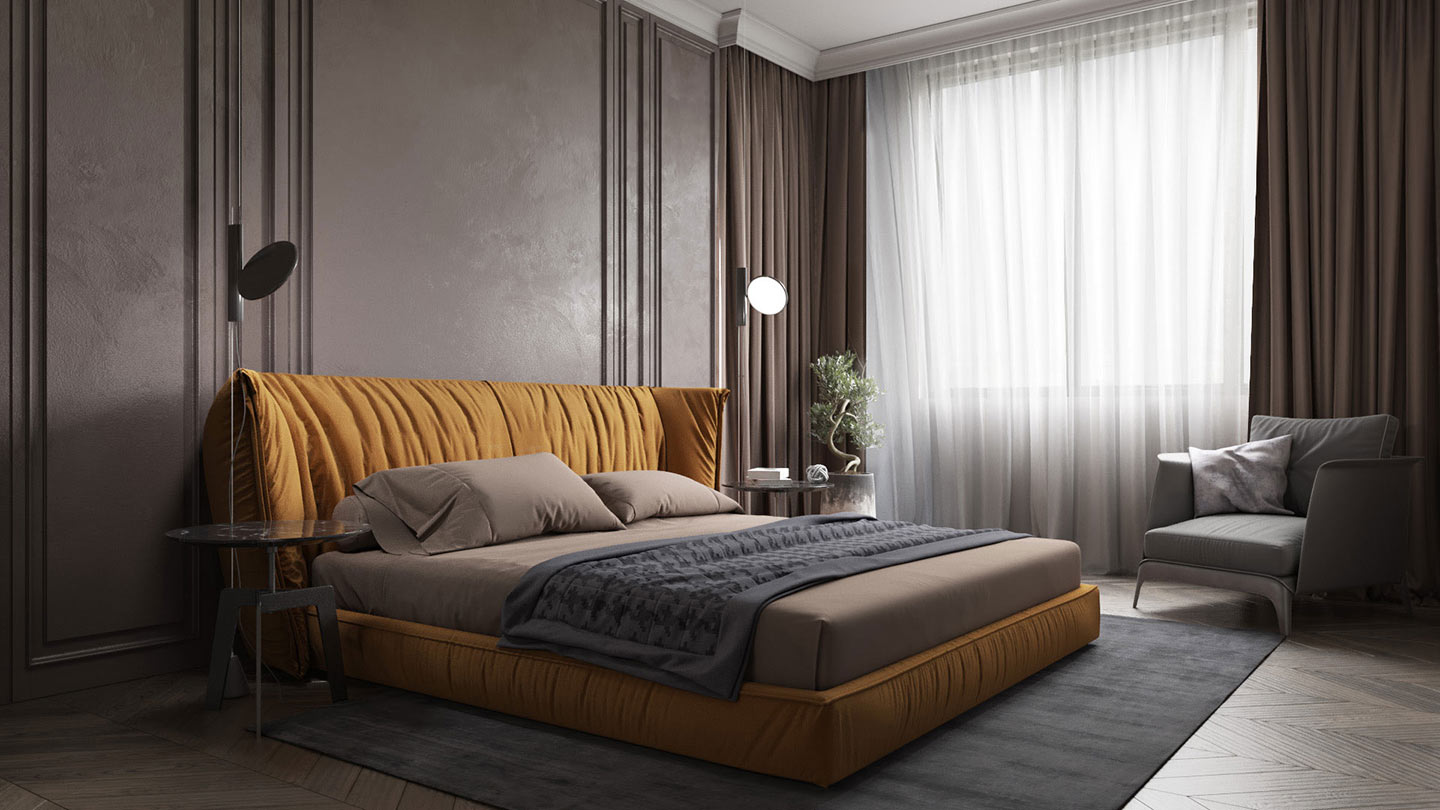
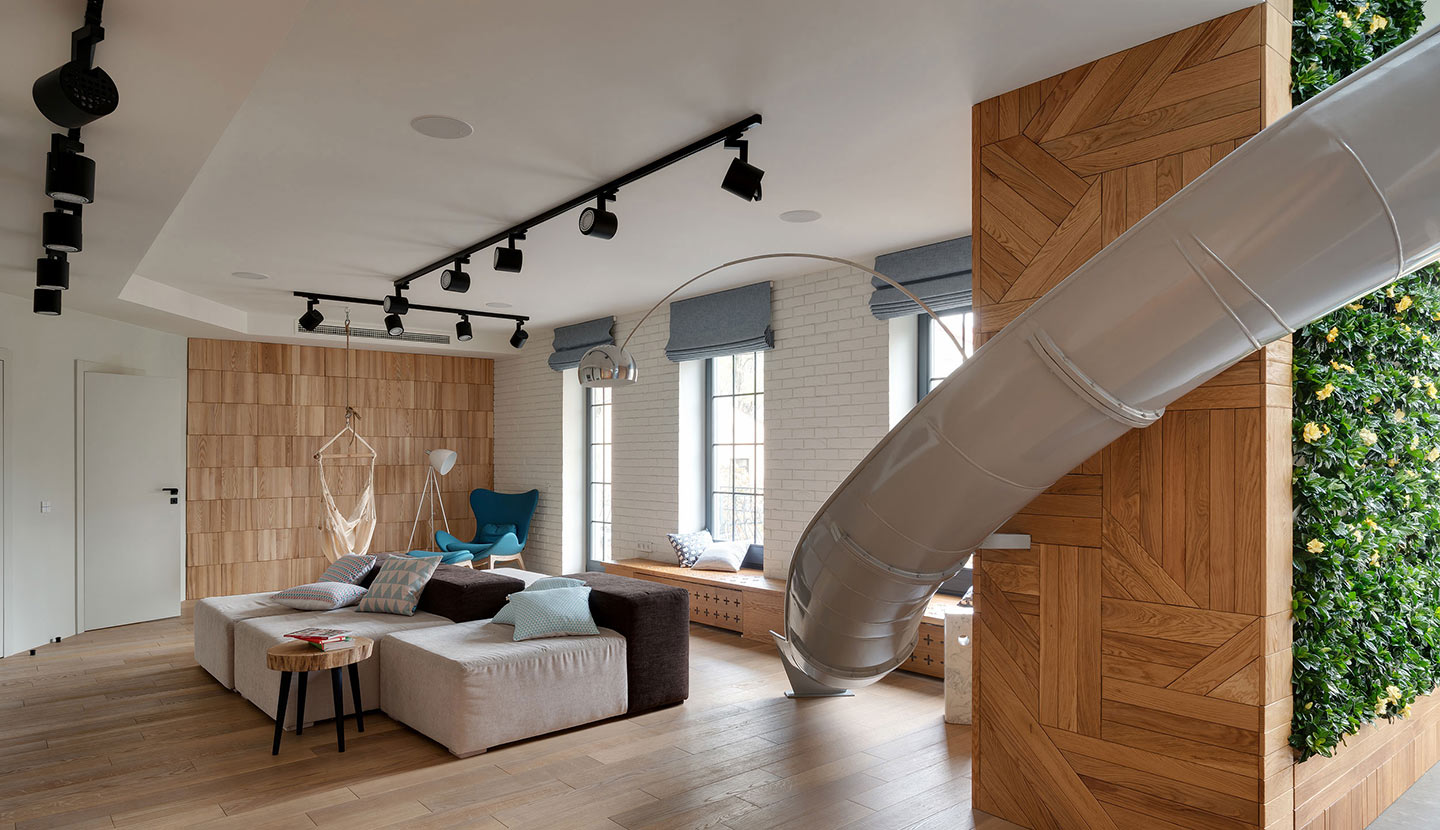
Designing a compact home isn’t just about saving space; it’s about engineering a lifestyle. The goal is to create a sanctuary that feels expansive, functional, and deeply personal, regardless of the square footage.
Here are 10 deep-researched interior design strategies to master your small space, complete with visual prompts to help you envision the result.
1. Multifunctional Furniture: The “Transformer” Approach
In a small footprint, static furniture is a luxury you cannot afford. Every major piece must earn its keep by serving a dual purpose. This concept, often called “transformer living,” allows a single room to shift functions from day to night.
- The Strategy: Look for hidden compartments and convertible mechanisms.
- Key Pieces:
- Storage Ottomans: Serve as a coffee table (with a tray), footrest, extra seating, and linen storage.
- Murphy Beds: Transform a bedroom into a home office or yoga studio in seconds.
- Drop-Leaf Tables: Console tables that expand into dining tables for four.
2. The Mirror Effect: Doubling Visual Depth
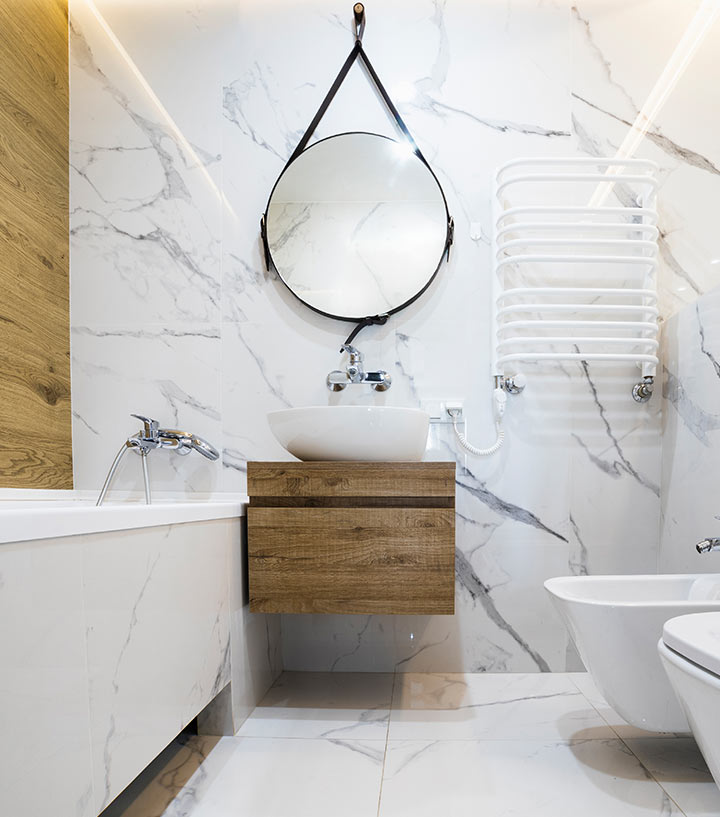
Mirrors are the interior designer’s “smoke and mirrors” trick—literally. They don’t just check your reflection; they manipulate the architecture of the room by bouncing light and creating phantom depth.
- Placement Matters: Placing a mirror opposite a window is the most effective tactic. It reflects the outdoors, essentially acting as a second window.
- Scale: Go big. A tiny mirror looks like clutter; a massive floor mirror looks like a structural doorway to another room.
3. Strategic Color Drenching & Palette Control
While the old rule says “white makes it bigger,” modern design embraces Color Drenching. This technique involves painting the walls, trim, and even the ceiling the same color.
- Why it works: It blurs the boundaries of the room. When the eye cannot distinguish where the wall ends and the ceiling begins, the room feels taller and more enveloping.
- The Palette:
- Soft Neutrals: Cream, off-white, and greige for airiness.
- Moody Darks: Navy or forest green for a cozy, infinite “jewel box” effect.
4. Vertical Value: Floor-to-Ceiling Storage
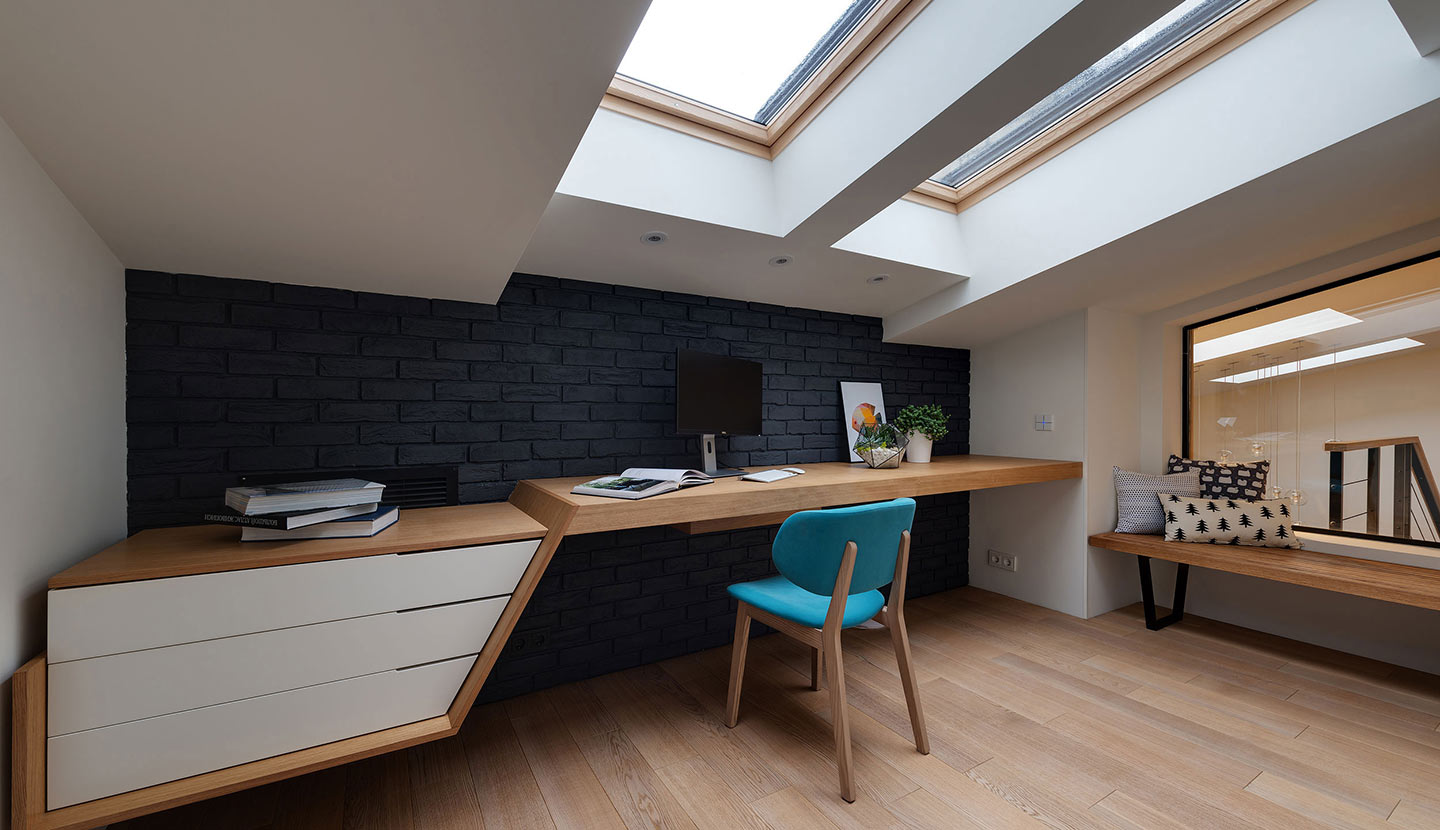
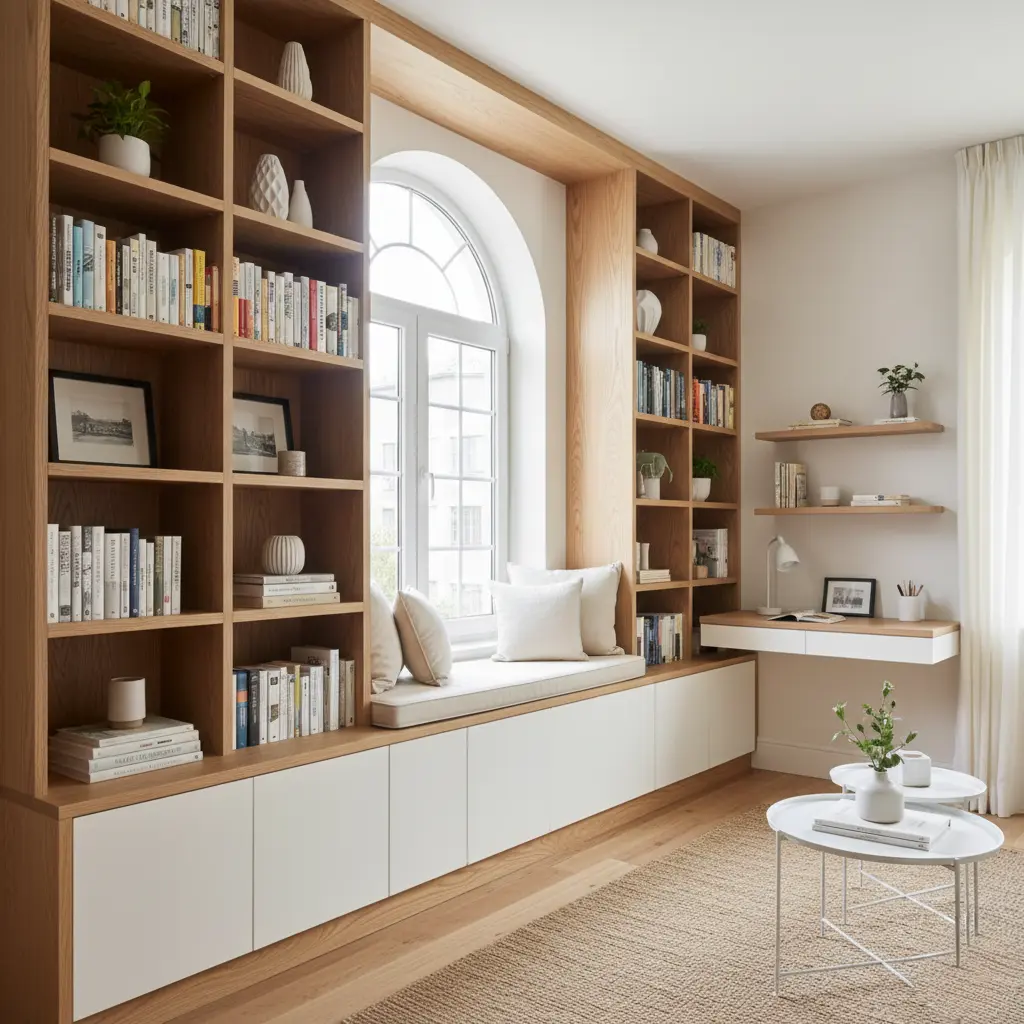
When you lack horizontal square footage, you must conquer the vertical. Most homeowners leave the top 2-3 feet of their walls empty, which is wasted “real estate.”
- The “Built-In” Look: Tall bookcases draw the eye upward, emphasizing the height of the room rather than the small floor area.
- Over-Door Shelves: Install a shelf above the doorway for books or storage baskets—a classic space-saving hack that adds character.
5. Exploiting “Dead Zones” (Under-Utilized Spaces)
Every home has dead zones—awkward corners or gaps that gather dust. In a compact home, these are gold mines for storage.
- Toe-Kick Drawers: In the kitchen, drawers installed in the baseboard space under cabinets can store baking sheets or placemats.
- Window Seats: Transform a window bay into a bench with lift-up storage for winter coats or bulky items.
- Corner Nooks: Floating corner shelves can turn an empty vertex into a display area or a cat perch.
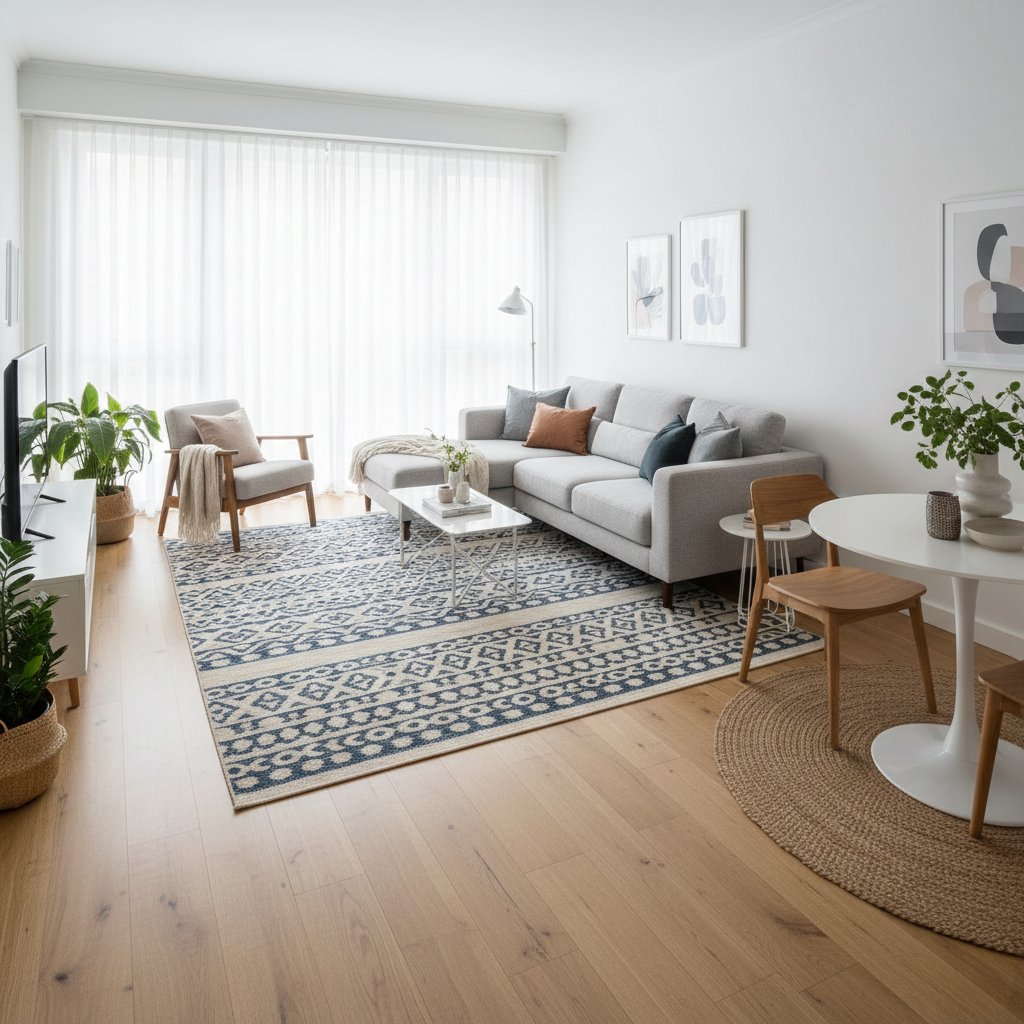
6. Zoning with Area Rugs
In studio apartments or open-plan layouts, the lack of walls can sometimes feel messy rather than spacious. You need to define “zones” to create psychological separation between activities (e.g., sleeping vs. working vs. eating).
- The Anchor Technique: Use area rugs to create islands. A rug under the sofa defines the living room; a separate, smaller rug under a bistro table defines the dining area.
- Visual Cues: This tells the brain, “I am leaving the lounge and entering the dining room,” even if they are only 2 feet apart.
7. Invisible Furniture: Acrylic and Glass
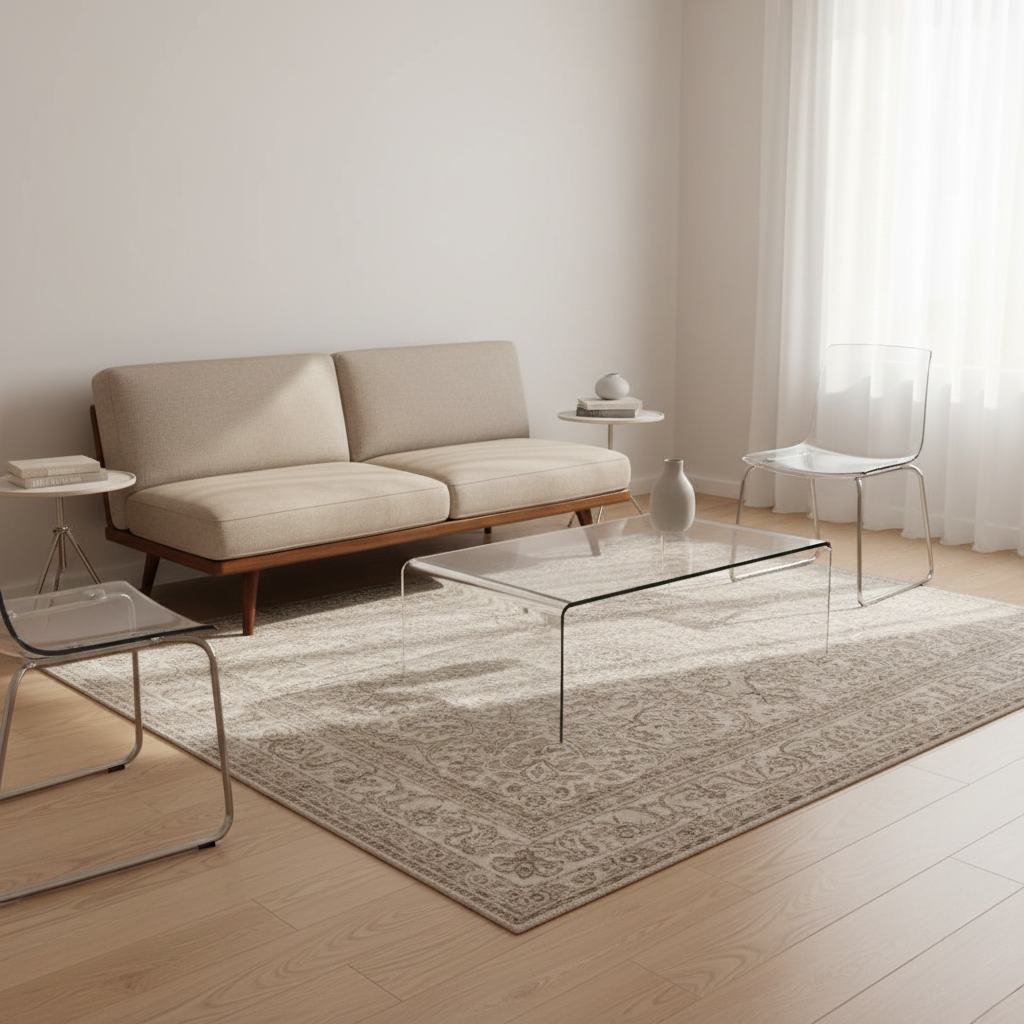
Visual weight is just as important as physical size. A chunky wooden coffee table ‘blocks’ the eye, making the room feel smaller.
- The Solution: ‘Leggy’ furniture (sofas raised on thin legs) and transparent materials (glass or acrylic/Lucite).
- The Benefit: Because you can see the floor through the furniture, your brain registers the total floor area as larger.
8. Layered Lighting Architecture
Never rely on a single overhead “boob light.” It casts harsh shadows and shrinks the room. Lighting should be treated as an architectural element that adds depth.
| Layer Type | Purpose | Fixture Idea |
| Ambient | General brightness | Recessed LED cans (takes zero visual space). |
| Task | Specific work focus | Wall-mounted sconces next to the bed (saves nightstand space). |
| Accent | Depth and mood | LED strips behind a TV or under floating shelves. |
9. The “One-In, One-Out” Decluttering Rule
Style in a small space is impossible without strict curation. Clutter eats space. The most stylish compact homes are those where every object has breathing room.
- Visual Quiet: Use closed storage (cabinets with doors) for “messy” items like papers and cords. Use open storage only for beautiful objects.
- The Rule: For every new item you buy (a new pair of shoes, a new mug), an old one must be donated or discarded to maintain equilibrium.
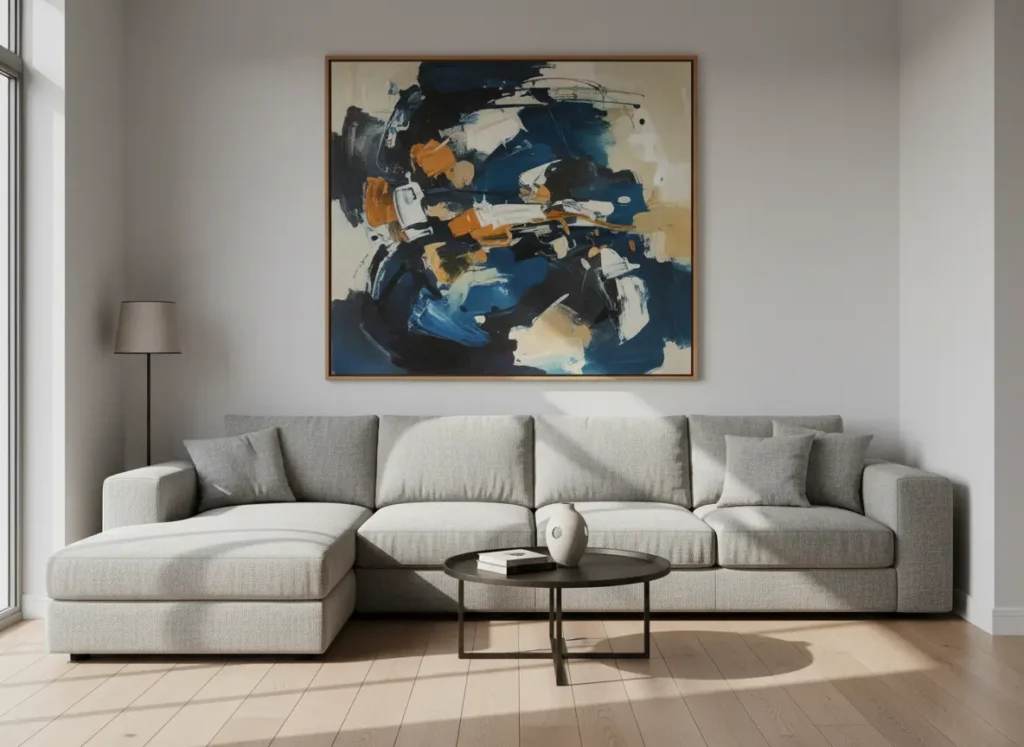
10. Statement Scale: Go Big to Feel Small
It is a common myth that small rooms need small furniture. Actually, a room full of “petite” furniture can look like a dollhouse—cluttered and busy.
- The “Cantaloupe” Rule: Instead of 10 decoration items the size of grapes, choose 1 decoration item the size of a cantaloupe.
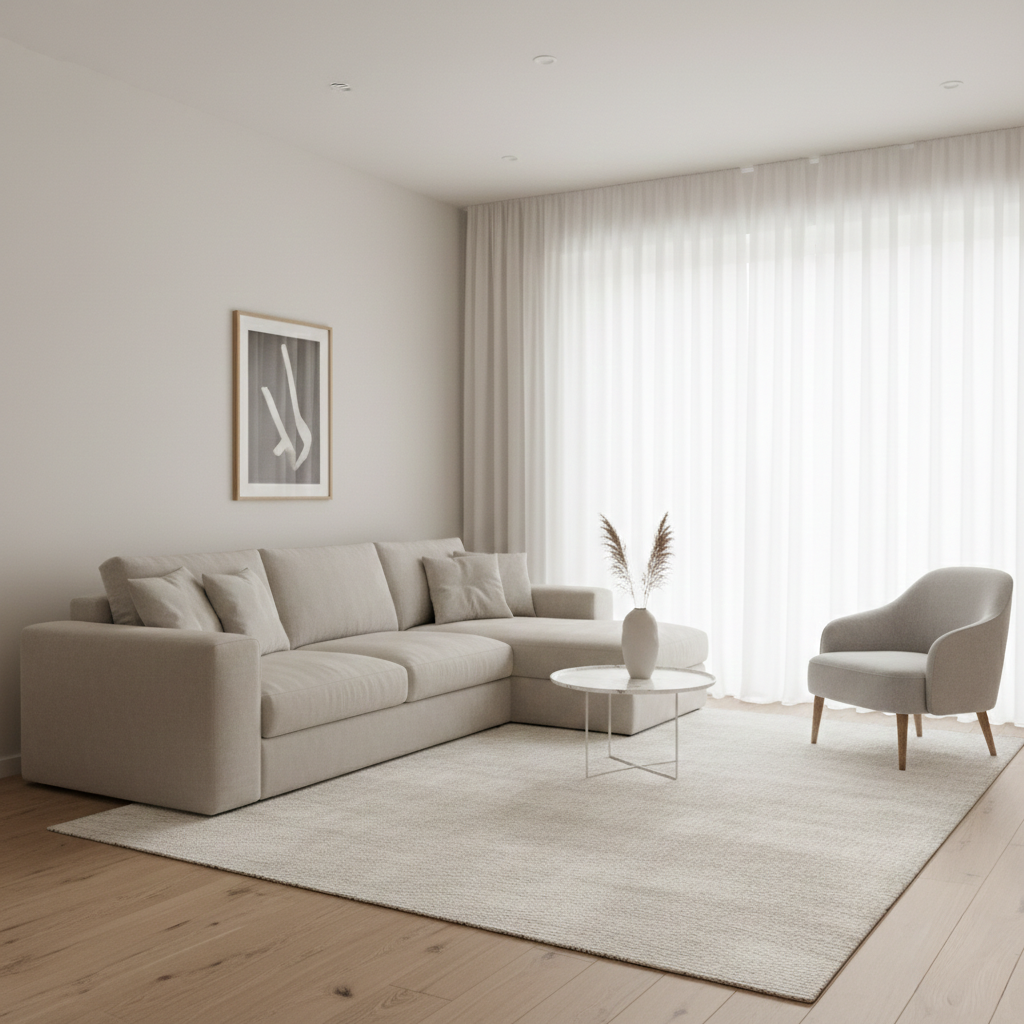
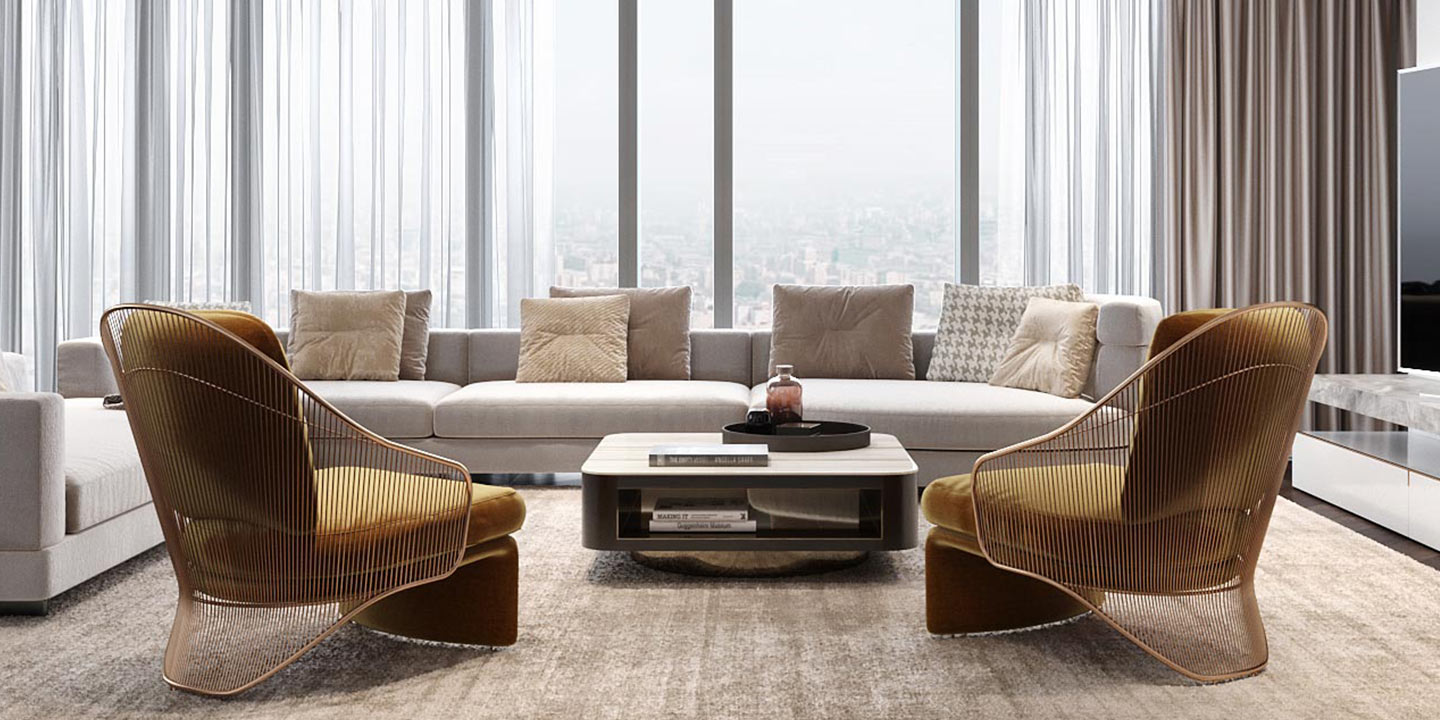
- Statement Pieces: One large sectional sofa often looks better and makes the room feel grander than a tiny loveseat and two tiny chairs. Large art makes a wall expand; a gallery wall of tiny photos can sometimes close it in.



Comment (1)
Kritika Shrestha
November 21, 2025Great idea to design small spaces.