In a world saturated with constant noise, notifications, and the relentless pursuit of more, our homes are our last sanctuary. But what happens when that sanctuary becomes cluttered, overwhelming, and a source of stress itself?
This is where minimalist interior design steps in.
It’s a concept many of us are familiar with—we picture stark white rooms, a single chair, and perhaps one artfully placed plant. But this common image only scratches the surface. True minimalism isn’t about deprivation; it’s not about living in a cold, empty box.
Minimalism is the art of intention. It is a philosophy that strips away the superfluous to make space for what truly matters: function, light, and life. It’s a design language that speaks in calm, measured tones, creating a space that is restful, beautiful, and deeply personal.
This is a deep dive into the art and soul of minimalist design.
The Philosophy: Where Did Minimalism Come From?
To understand the “how,” we must first understand the “why.” Modern minimalism isn’t a new trend; it’s a time-honed philosophy with roots in several powerful movements:
- Japanese Traditional Design: The most profound influence is the Japanese concept of
Ma(間). This is the idea that negative space—the emptiness between objects is just as important as the objects themselves. This “pause” creates a senseE of harmony and allows key elements to breathe. Principles ofWabi-Sabialso play a role, finding beauty in imperfection, simplicity, and natural materials. - The Bauhaus Movement: This influential German art school (1919-1933) operated on the principle of “Form follows function.” The Bauhaus school stripped away the ornate, decorative styles of the past to focus on clean lines, simple geometric forms, and materials (like steel, glass, and concrete) that served a functional purpose.
- De Stijl Movement: Artists like Piet Mondrian championed pure abstraction, using only essential forms and colors (primary colors, plus black and white). This rigid focus on the essentials heavily influenced minimalist architecture and design.
The famous mantra “Less is more,” coined by architect Ludwig Mies van der Rohe, perfectly captures this convergence. Minimalism is the intentional rejection of clutter to create a space that is functional, clear, and beautiful.
The 7 Core Principles of True Minimalist Design
Moving from philosophy to practice, minimalism is built on a set of core, non-negotiable principles.
1. Intentional Curation (The “Essentialism”)
This is the heart of minimalism. Every single item in your home should have a reason for being there. It must either:
- Serve a vital function (a sofa, a light, a table).
- Bring you profound, genuine joy (a piece of art, a treasured heirloom).
If an item does neither, it is clutter. This principle requires a rigorous, almost curatorial approach to your belongings. You are the curator of your own home.
2. The Power of a Restricted Palette
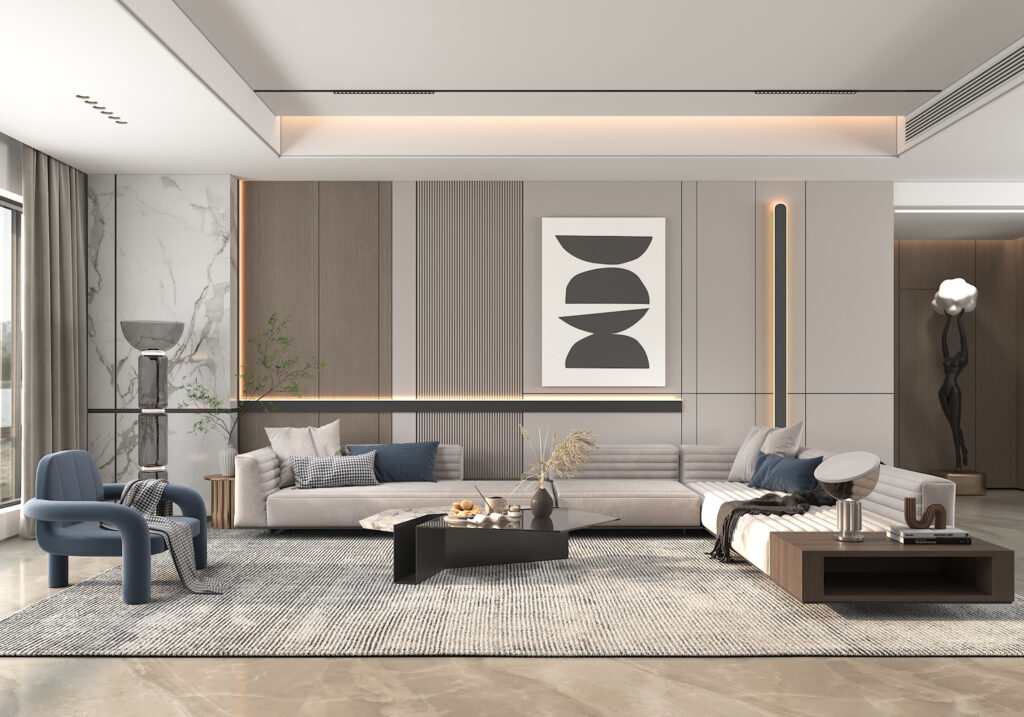
Minimalist design relies on a calm, sophisticated, and limited color palette. This is not just “white.” It often includes:
- Achromatics: White, black, and shades of grey.
- Neutrals: Beige, tan, cream, and “greige” (a mix of grey and beige).
- Earthy Tones: Muted greens, terracottas, and deep blues can be used as subtle, grounding accents.
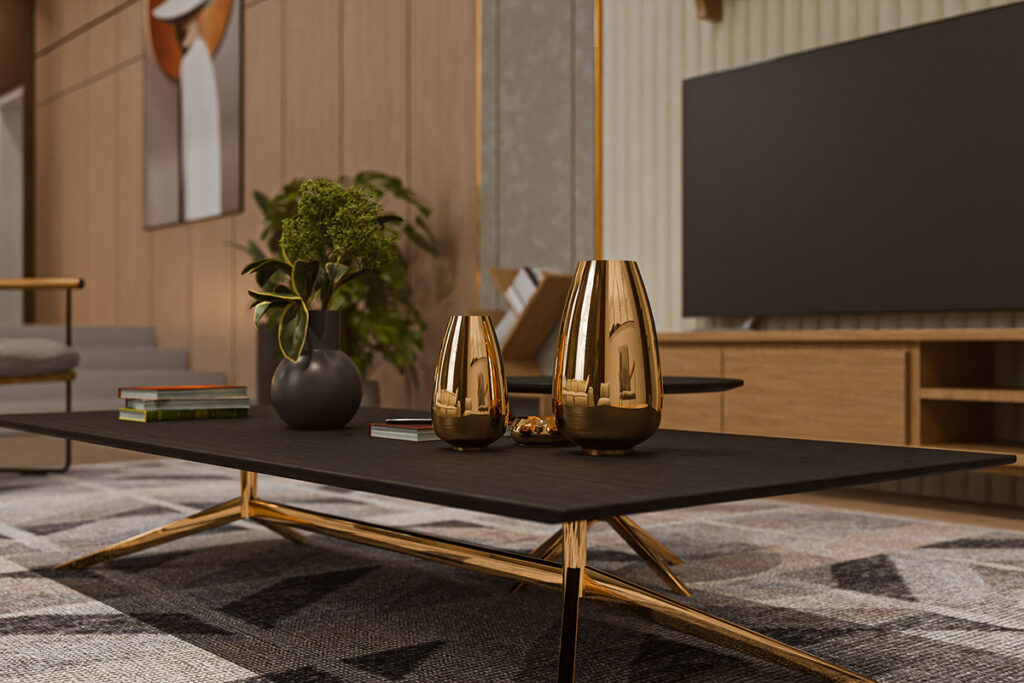
The goal is to create a cohesive, serene backdrop that unifies the space. Pops of color are used with extreme intention—perhaps in a single cushion, a piece of art, or a vase.
3. Function Meets Form
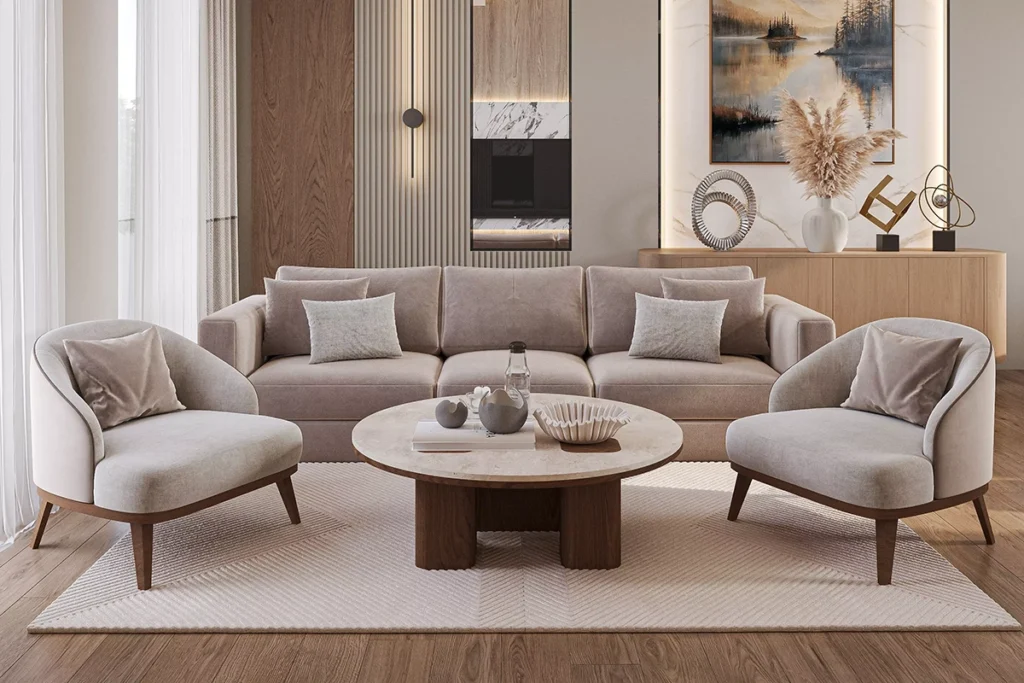
As the Bauhaus taught, form must follow function. A minimalist home is an efficient home.
- Multi-functional furniture is highly valued (e.g., a storage ottoman, a bed with built-in drawers).
- “Visual function” is also key. A simple, beautifully designed chair is functional not just for sitting, but as a “sculptural” element that serves a visual purpose without adding noise.
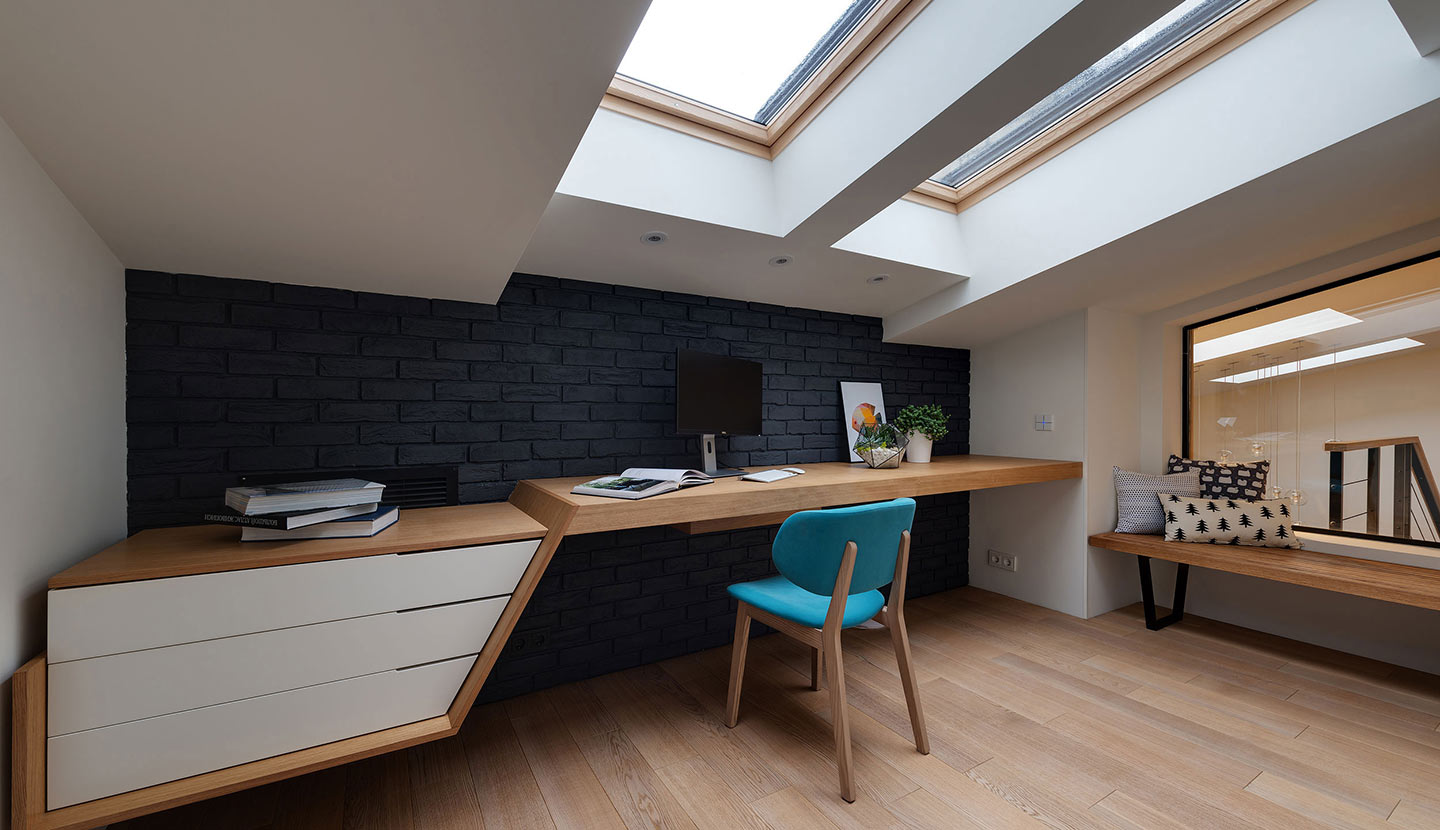
- Smart storage is paramount. Minimalism isn’t about owning nothing; it’s about everything having a place. Built-in, concealed storage is a hallmark of this style, keeping surfaces clear.
4. Quality Over Quantity
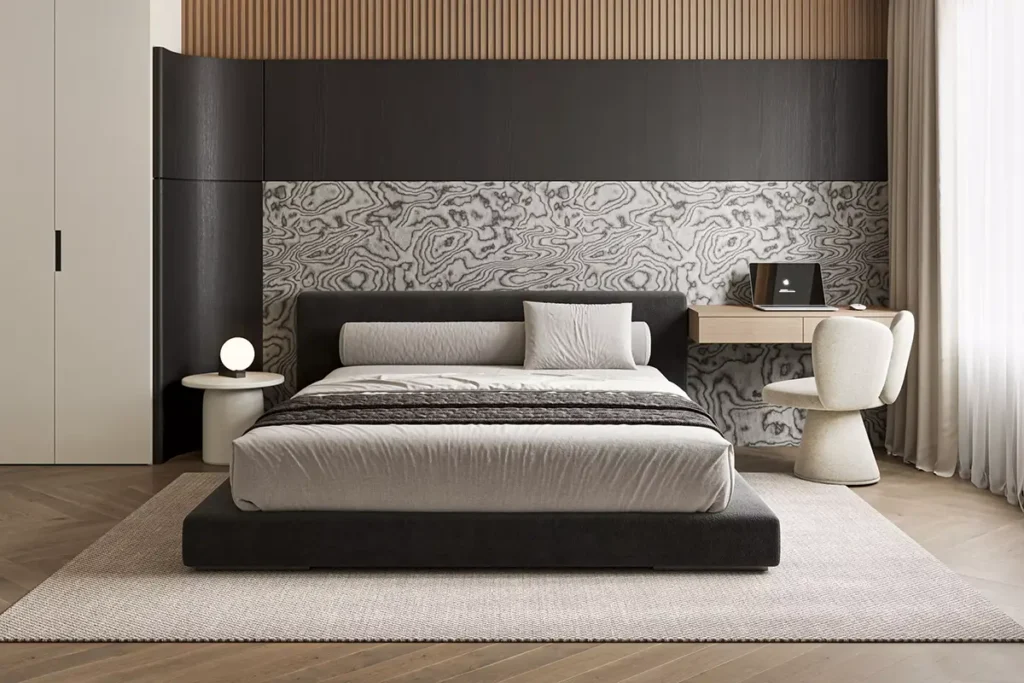
Because you have fewer items, the quality of each item becomes exponentially more important. Minimalism rejects the “fast-fashion” approach to homewares.
- Invest in “forever pieces”: One timeless, well-crafted sofa made of solid wood and natural linen is superior to a cheap, trendy sectional that will break down in three years.
- Focus on materials: The “hand” of the fabric, the grain of the wood, the coldness of the marble. These elements become the stars of the show.
5. Mastering Light and “Negative Space”
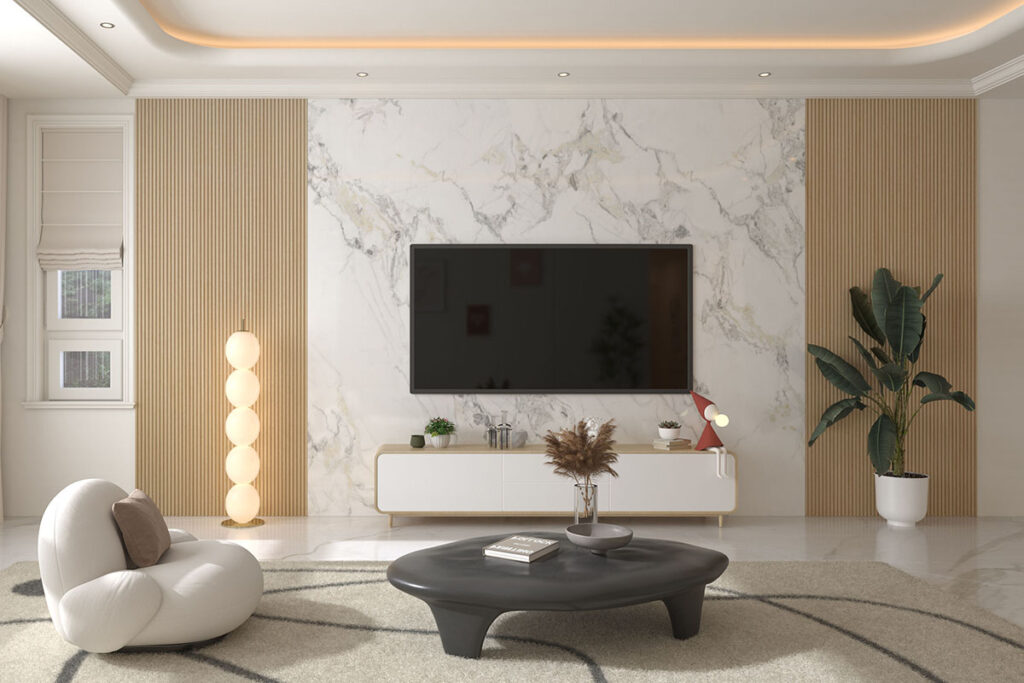
In a minimalist home, light and space are treated as materials.
- Natural Light: Windows are often left unadorned or with simple, sheer coverings to maximize the flow of natural light. Light is used to “paint” the walls, changing the feel of the room throughout the day.
- Negative Space (
Ma): This is the “empty” space mentioned in the philosophy. An unadorned wall, a clear floor, the space between two chairs—this “nothingness” is what creates a feeling of calm and luxury. It prevents visual fatigue and allows the eye to rest.
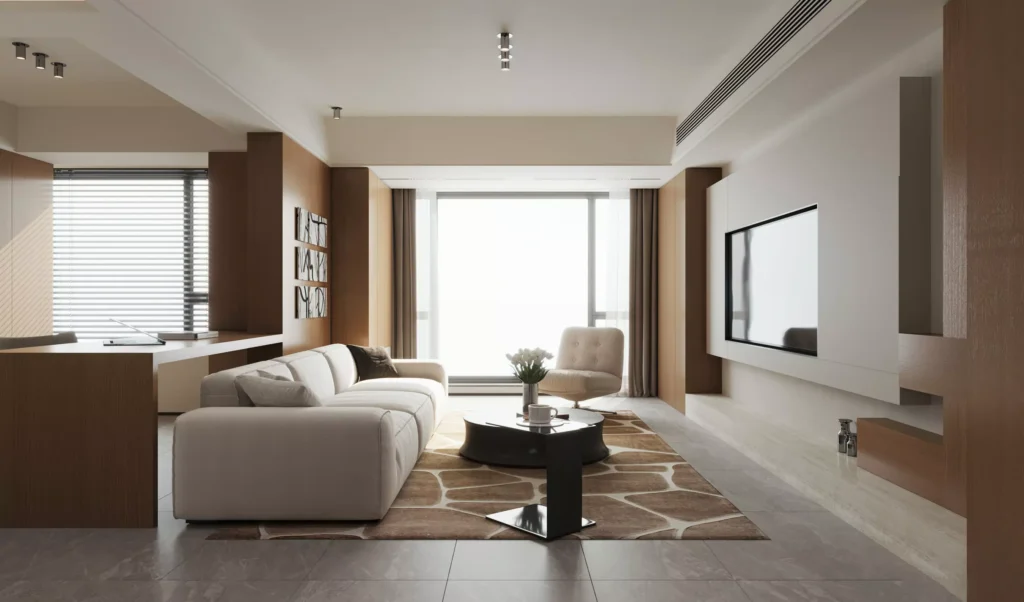
6. Texture: The Secret to Warm Minimalism
This is the single most important principle for avoiding the “cold, sterile” trap. When you strip away color and pattern, texture does all the work. It provides warmth, depth, and sensory interest.
How to Add Texture:
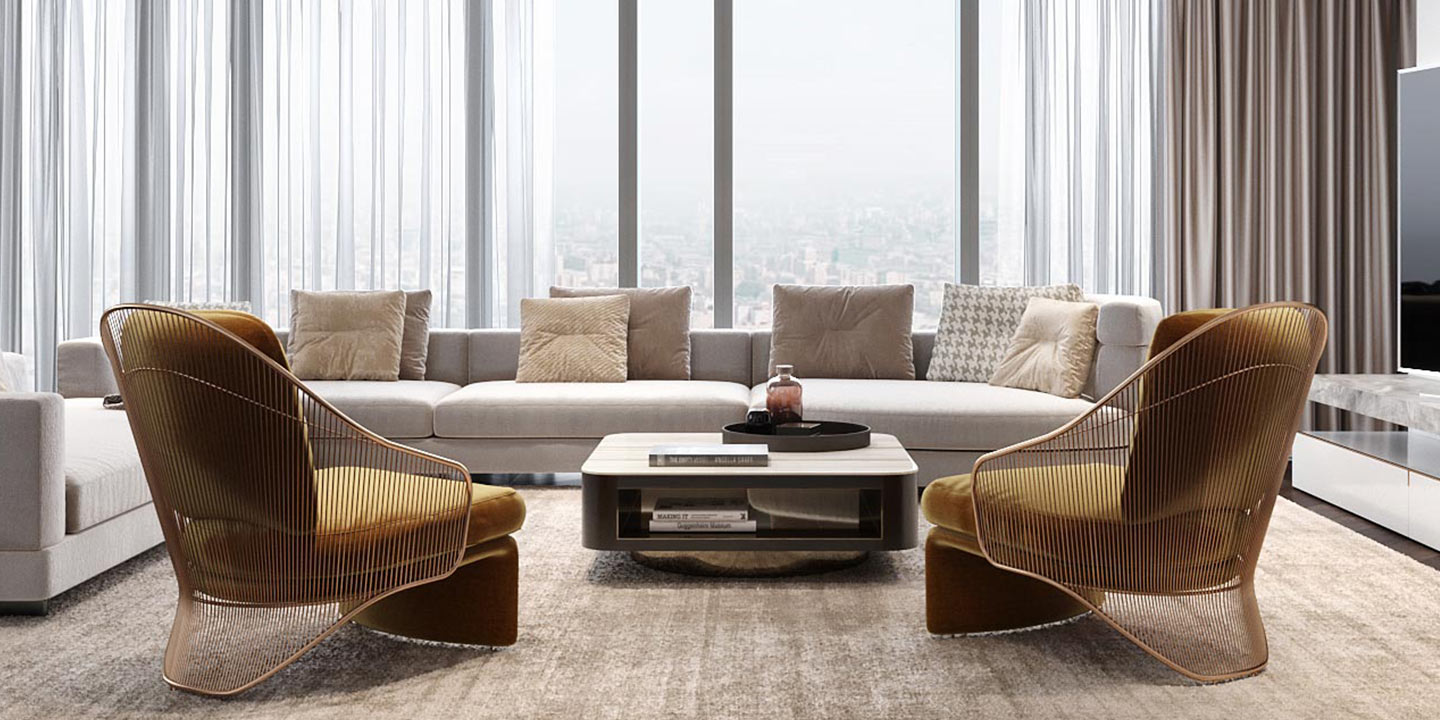
- Textiles: A chunky wool knit throw, a high-pile rug, linen curtains, velvet cushions.
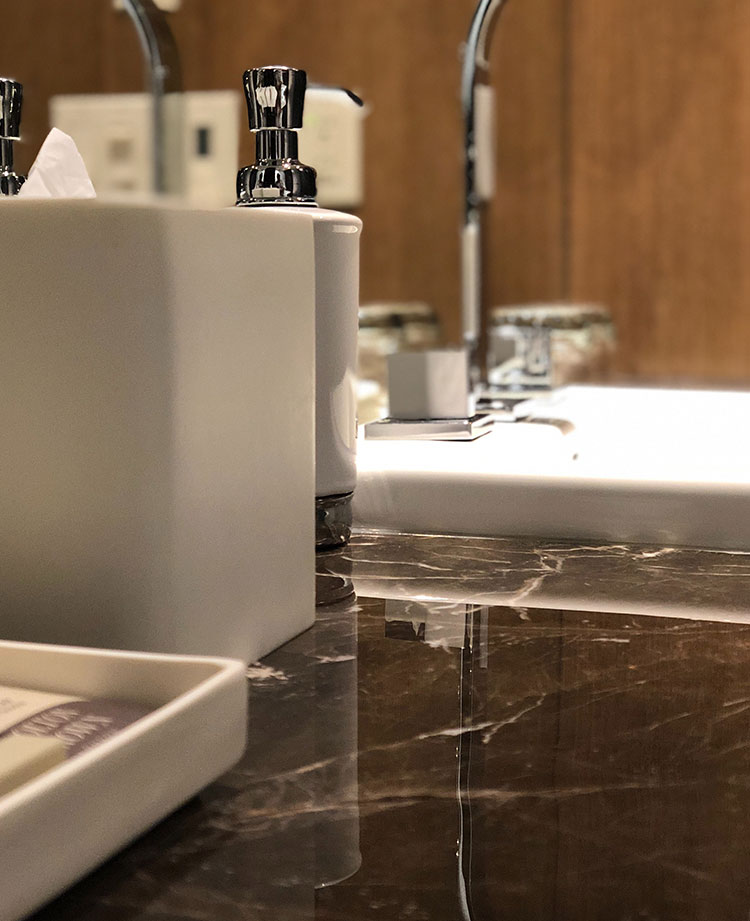
- Surfaces: The raw grain of a wooden table, the smooth finish of a concrete floor, the natural veining in a marble countertop.
- Walls: Consider using limewash or plaster to give walls a soft, tactile dimension that paint cannot replicate.
- Plants: The organic, living texture of greenery adds life.
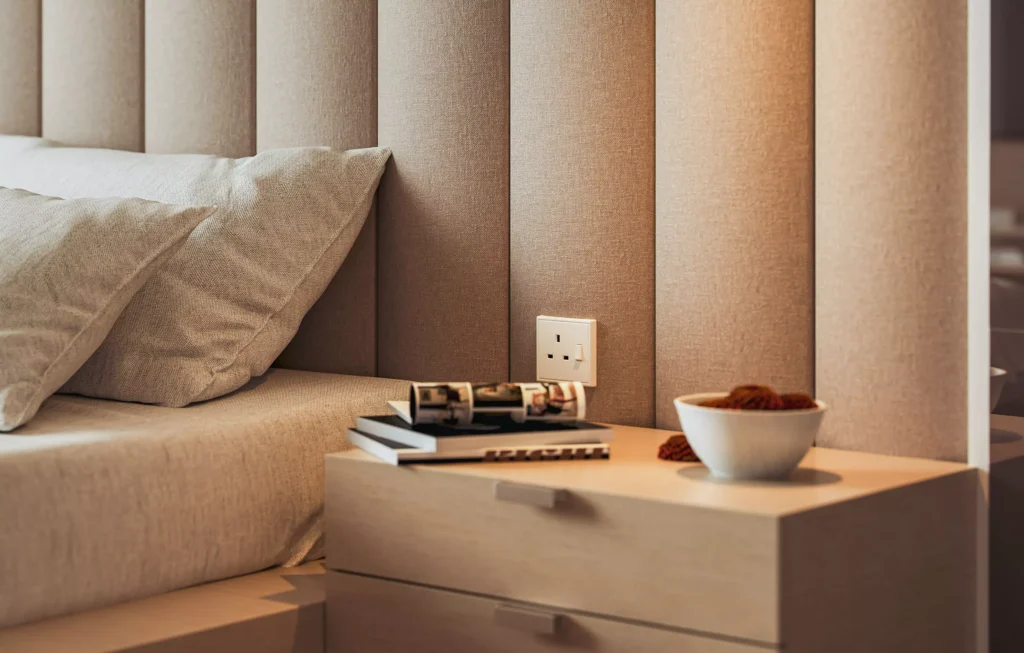
7. Clean Lines and Simple Forms
Minimalism favors simplicity. Look for furniture and objects that are strong, simple, and unadorned.
- Avoid: Ornate carvings, ruffled edges, complex patterns, or fussy details.
- Embrace: Clean, straight lines, gentle curves, and simple geometric shapes. This creates a “visual uniform” where nothing is shouting for attention, allowing the entire composition to feel balanced.
Debunking the Myths
Let’s clear up a few common misconceptions.
- Myth 1: Minimalism is cold and sterile.
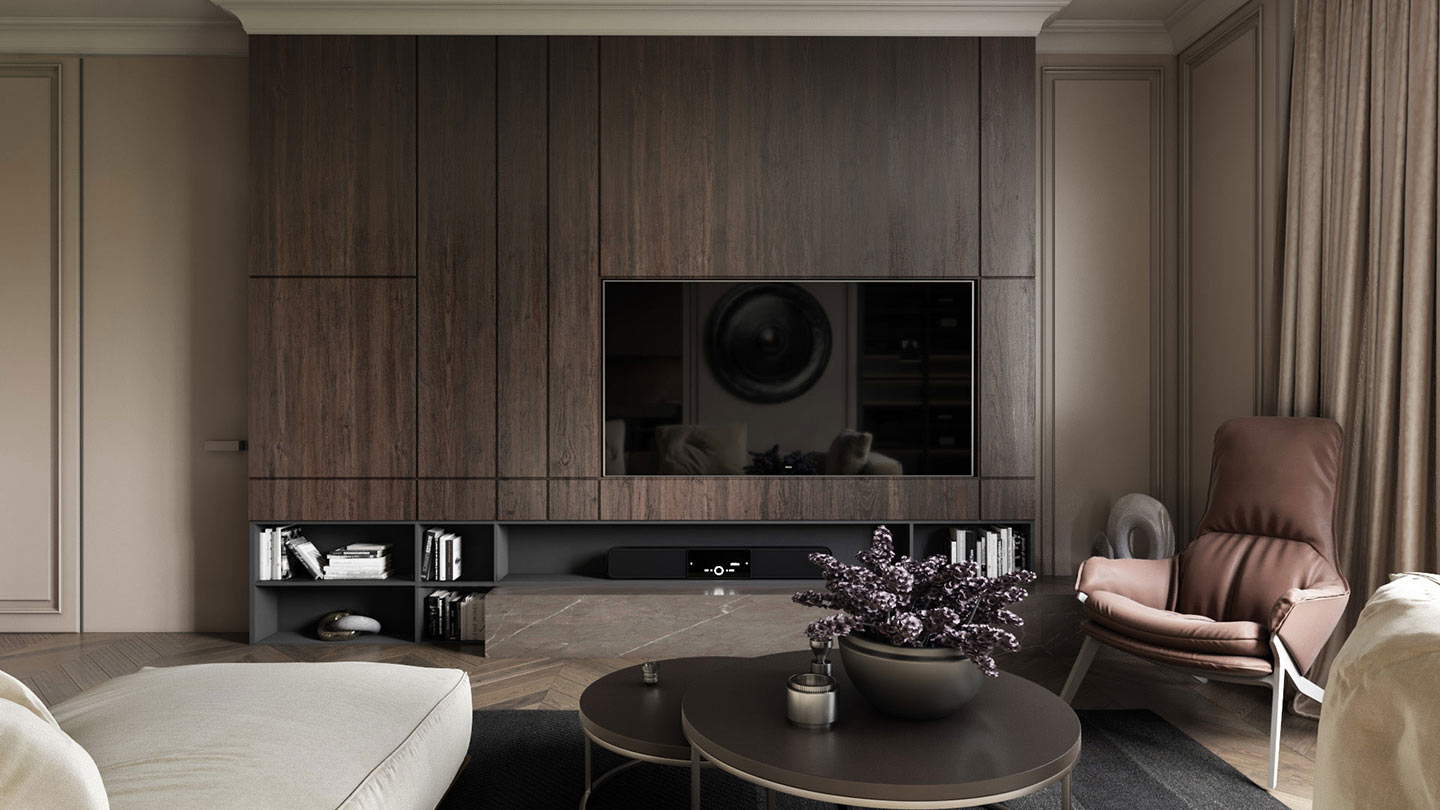
- Truth: Only if done poorly. Warm minimalism, which is highly popular, relies on a rich neutral palette (beiges, creams) and a heavy use of texture (wood, linen, wool) to feel cozy and inviting.
- Myth 2: Minimalism is boring.
- Truth: Minimalism is calm. The “drama” comes not from clutter, but from the elegant lines of the architecture, the play of light and shadow, or a single, stunning statement piece of art.
- Myth 3: Minimalism means getting rid of everything.
- Truth: Minimalism is about getting rid of the excess. It’s about keeping only what serves you, functionally or emotionally. Your home should still reflect your personality but the best version of it.
- Myth 4: Minimalism is easy.
- Truth: It is incredibly difficult. It requires discipline, continuous editing, and thoughtful decision-making. Every new purchase is a serious consideration.
The Benefits: Why Embrace the “Void”?
Adopting a minimalist approach to your home is more than an aesthetic choice; it’s a lifestyle one that can have profound benefits.
- Psychological: A clear, uncluttered space leads to a clearer, less-stressed mind. With less “visual noise,” you can focus better, relax more deeply, and feel a greater sense of control.
- Practical: It’s so much easier to clean. When everything has a place and there are fewer objects to dust, you reclaim valuable time.
- Financial: You stop wasting money on “fast decor” and impulsive buys. Instead, you save and invest in high-quality, durable items that you will love for decades.
- Sustainable: By consuming less and choosing quality over quantity, you are inherently creating less waste and supporting a more sustainable model of living.
How to Start Your Minimalist Journey
Feeling overwhelmed? Don’t try to “minimalize” your entire home in one weekend. It’s a marathon, not a sprint.
- Start Small: Pick one small, manageable area. A single drawer, your nightstand, or your bathroom counter.
- The “One-In, One-Out” Rule: To maintain balance, for every new item you bring into your home, an old one must go.
- Go Room by Room: Tackle one room at a time. Be ruthless. Ask the “intentional” questions: “Is this functional?” “Do I truly love this?”
- Embrace the Edit: Minimalism is not a one-time project. It’s an ongoing practice of editing and refining.
In the end, the art of minimalist interior design is a personal journey. It’s about consciously designing a home that strips away the distractions and leaves you with only the essential, the beautiful, and the true. It’s about creating a physical space that, in turn, gives you the mental space to live your best life.